
ABN: 39 662 981 366
|
ACN: 662 981 366
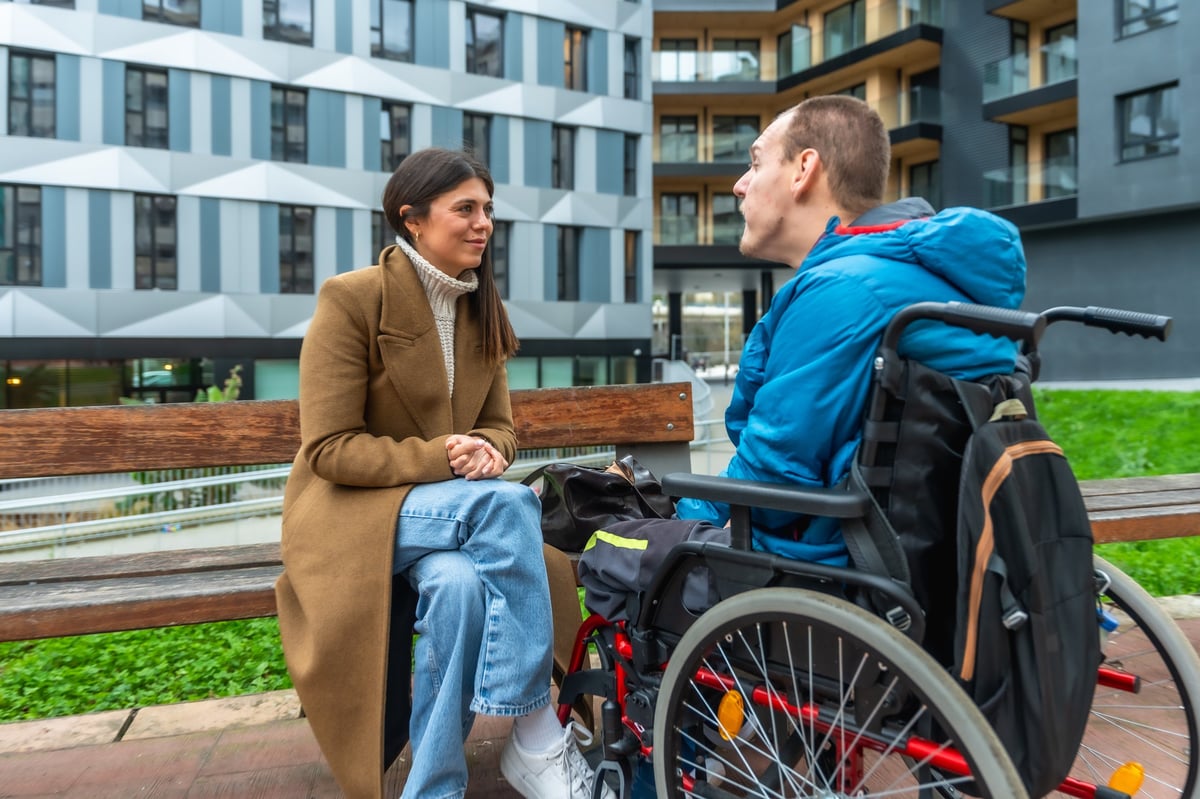
A person-centred, human-rights based approach to understanding behaviour and supporting people to live well and participate fully.
Positive Behaviour Support (PBS) is an evidence-informed, person-centred framework that seeks to understand why a behaviour happens and what it is communicating, rather than simply managing or suppressing it.
Our approach is human-rights based. It focuses on improving quality of life, building meaningful participation, and reducing or removing restrictive practices where they apply — always working in partnership with the person, their family, and their support network.

We build support around the person and the people who care for them — step by step, with transparency and genuine involvement at every stage.
A person-centred assessment that works out what a behaviour is communicating and what is maintaining it.
Practical, immediate strategies to keep everyone safe and supported while the comprehensive plan is developed.
A detailed, strengths-based plan co-designed with the person, their family, and their support team.
We equip families, carers, and support teams with the skills and confidence to respond consistently and positively every day.

Positive Behaviour Support is usually funded under the Improved Relationships support category within an NDIS plan, often described as specialist behaviour intervention support.
Funding is arranged according to each person's individual plan and the supports approved by the NDIS. If you're unsure whether your plan includes PBS funding, we're happy to help you check.
We understand that behaviour, family, communication, and wellbeing are shaped by culture. Our practitioners take the time to learn about each person's cultural background, values, and ways of communicating, so the behaviour support we develop honours who they are. We work with families and communities as partners, ensuring the strategies we put in place are respectful, meaningful, and sustainable in the environments where people live and participate.
Whether you're a family member, carer, support coordinator, or allied health professional — we'd love to hear from you. Enquire directly, or refer and we'll take it from there.